

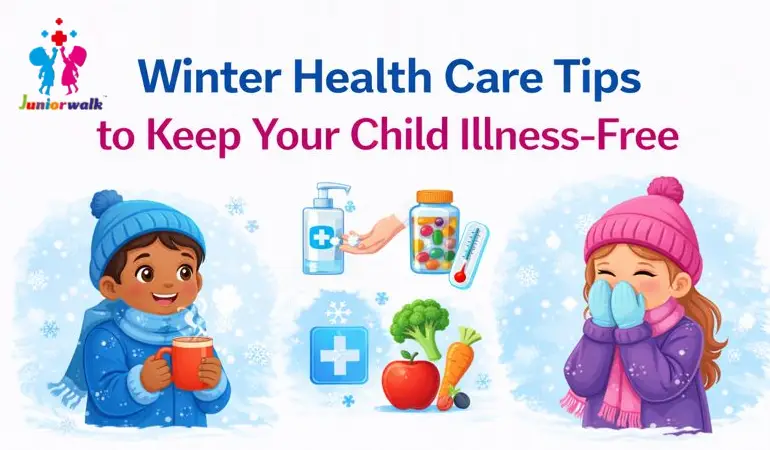
Winter is a time of warm blankets, hot soups, and celebrations, yet it is the period when children are at risk of illnesses. Children are also prone to other common winter infections, such as colds, flu, sore throats, bronchitis, and ear infections, as their immune systems are still developing.
With the right preventive care and routines, parents can reduce these risks and keep their kids healthy throughout the season.
Why Are Children More Prone to Winter Illnesses?
Children often spend more time indoors in close contact with others at schools or daycare centers, which increases the chances of infection. The lack of sunlight exposure could also lead to vitamin D deficiency, which compromises the immune system.
Knowing about these factors, parents are enabled to take active measures to protect their child’s health.
Strengthening Immunity with Proper Nutrition
Ensure your child’s meals include plenty of fruits and vegetables rich in vitamins A, C, and E. Choose from oranges, tangerines, grapefruit, guava, kiwi, spinach, carrots, and broccoli. Protein-rich foods such as eggs, pulses, dairy, nuts, and seeds are beneficial in healing and strengthening the body’s defence.
Fluids, such as boiled water, herbal teas, or milk to stay hydrated and prevent dehydration, which can weaken the immune system.
Importance of Hygiene Habits
Children should be trained to wash their hands as frequently as possible with soap and water, especially before having a meal, after going to the toilet, and before going out. Washing hands is helpful to wash away bacteria from surfaces and public places.
Using tissues to cough and sneeze and discarding them in an ashtray can also contribute to disease reduction transmission.
Keeping Warm Without Overheating
Wear them in layers, allowing the clothes to be taken off and on depending on the weather inside and outside. Woolen caps, socks, and gloves are used to keep the heat off, particularly the young children.
But it’s better not to overwrap since kids are uncomfortable when sweat cools down on their skin, and they are likely to catch a cold. Dress children in breathable layers, and keep them dry throughout the day.
Ensuring Adequate Sleep and Physical Activity
Young people who sleep well are in a better position to combat diseases. Develop a regular bedtime schedule and ensure that your child can sleep the allotted hours of their age.
Promote indoor activities, stretching, yoga, or simple games that make children active.
Managing Indoor Air Quality
During winter, dry indoor air can also irritate the airways, making children more susceptible to coughing and colds. A humidifier can help maintain the air and prevent dryness of the nose and throat. Be sure to let the rooms air out at least once a day, and open windows and doors for ventilation if the weather permits.
Keep your house tidy and clean from dust, as allergens may exacerbate winter respiratory diseases such as asthma or allergies.
Vaccinations and Preventive Care
Vaccination of children against seasonal flu is most likely to be conducted and strongly encouraged among children, especially those in school or daycare. The intensity and danger of consequences from the flu and other diseases are reduced with the help of vaccines. Health check-ups will also be regular so as to detect and treat any health issues early enough.
Call your pediatrician right away if your child exhibits symptoms like a persistent fever, breathing difficulties, a severe cough, or any unusual fatigue.
Winter illnesses are common, but they are not unavoidable. With good nutrition, hygiene, sleep, and preventive care, parents can significantly boost their child’s immunity. Healthy winter living, a simple matter of daily routine and good care, will be well worth the effort. By taking these proactive steps, you can help your child enjoy a healthier, happier winter season without frequent illnesses.