

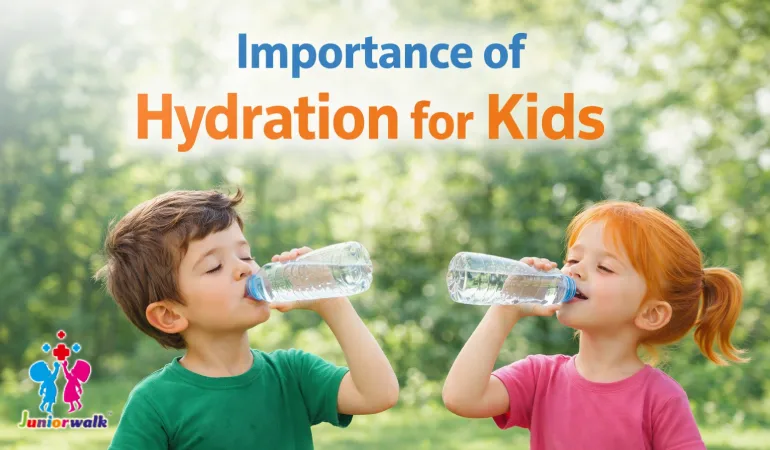
Water is one of the most important nutrients for growing children, yet it is often overlooked. Children are very active, running, playing, studying, exploring all day long. In the process of undertaking these activities, their bodies lose water by way of sweat, breathing, and even the digestive system. This lost fluid is replenished through proper hydration, and the body will run smoothly. Children’s development, well-being, and normal functioning can all benefit from early education about the importance of drinking enough water.
Why Hydration Is Essential for Children?
A larger proportion of water is composed of the bodies of children compared to that of adults. It is due to this that even mild dehydration can impact them sooner. Almost every bodily function, including digestion, circulation, temperature regulation, and brain function, depends on water.
Kids who are well-hydrated will have energy in their system, improve their concentration, and their bodies are better prepared to withstand all common diseases.
Hydration and Physical Health
Exercises such as sports and outdoor games cause children to lose more fluids as they tend to sweat a lot while running around or engaging in physical activities. They can feel dizzy, weak, or overheated when they are not well hydrated.
Proper hydration can prevent constipation, a common problem in children. It ensures the smooth running of nutrients in the digestive system and good absorption of vitamins and minerals.
Additionally, water contributes to the elimination of toxins in the organism through the excretion of body fluids. This promotes kidney health and keeps the urinary tract in proper working condition.
Hydration and Brain Function
The human brain requires sufficient water to perform effectively. A minor level of dehydration can impair a child’s concentration level, memory, and alertness.
Hydrated children are properly focused, moody, and more alert. This is because drinking water helps in learning, memory, and general well-being of the mind, as one consumes it regularly during the day.
Signs of Dehydration in Kids
Parents should know the early symptoms of dehydration since they can respond promptly. Common signs include:
- Dry mouth or lips
- Dark yellow urine or reduced urination
- Fatigue or low energy
- Headaches
- Irritability or dizziness
Children should be encouraged to take fluids even before they feel thirsty, as their thirst sensation lags behind their dehydration level.
How Much Water Do Kids Need?
The water that a child requires is dependent on their age, activity level, and climate. As a general guide:
- Younger children need smaller but more frequent amounts of water
- School-going children are expected to consume water every day
- Active kids and those living in hot climates need extra fluids
Along with plain water, fluids can also be derived from milk, broths, and watery fruits and vegetables, such as watermelon, oranges, cucumbers, and tomatoes.
Healthy Hydration Habits for Kids
Good hydration habits can be developed at an early age. Parents may promote this by:
- Ensuring the easy availability of water at home and school.
- Reminders on taking water during play and study breaks.
- Leading by example, kids are more likely to drink water if their parents do
It is also essential to limit sugary beverages such as sodas and packaged juices. Such beverages can temporarily address dehydration, but contain unnecessary sugar and decrease the motivation towards non-soda water.
Making Hydration Fun
Adding natural flavors such as lemon or mint using colorful bottles, either making breaks and water breaks routine, can promote regular consumption.
Parents can also teach kids the value of water easily and engagingly by showing them how it keeps their bodies healthy and active.
In addition to enhancing the ability to concentrate and digest, it is essential to note that water helps to keep the child energetic and guard against diseases, among many other benefits in daily life. It is possible to make children healthier, happier, and more active daily by promoting healthy hydration at an early age.